The Sanibel Captiva Audubon Society
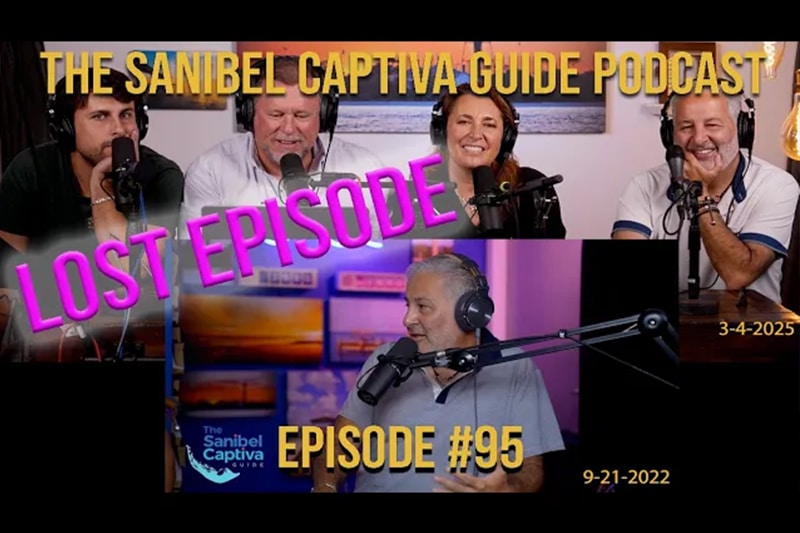
The Sanibel Captiva Audubon Society was founded to foster interest in wildlife on Sanibel and Captiva with an emphasis on birds. The society is part of the larger, National Audubon Society. The society promotes its mission through several channels. They have a lecture series, scheduled bird walks, bird counts and newsletters for its members to create a deeper appreciation of different bird species. The society strives to protect the bird’s habitat and educate people about different species and their needs. Membership is free and anyone can join and enjoy the extensive series of programs they have to offer. We spoke with the Sanibel Captiva Audubon Society president Phyllis Gresham and vice president Katherine Britton to find out more. Phyllis is also the chair of the Sanibel Vegetation Society, check out podcast #51 where she told us all about it!
Bird Watching On Sanibel Island
The Roseate Spoonbill is the only type of spoonbill in America and there are only 6 species of spoonbill worldwide. The Roseate Spoonbill is not born with their signature flat, spoon-like beak, this develops as they grow and is fully formed around day 40 of their lives. They are pink due to their diet, are found in fresh and salt water, and are quite social birds often spotted hanging out with egrets and ibises.

The Great Blue Heron is the largest of the heron species in North America. They can be found in both fresh and saltwater where they tend to wade slowly, almost stalking their prey or, you will see them standing completely still like statues. They are stately and amazing to watch when they take to flight. The Great Blue Heron can hunt day and night due to a high percentage of rod-type photoreceptors in their eyes which gives them incredible night vision. Their uniquely shaped neck allows them to strike prey fast and at a distance however, they often feed on sick fish who are slower and closer to the water surface than their healthier peers.

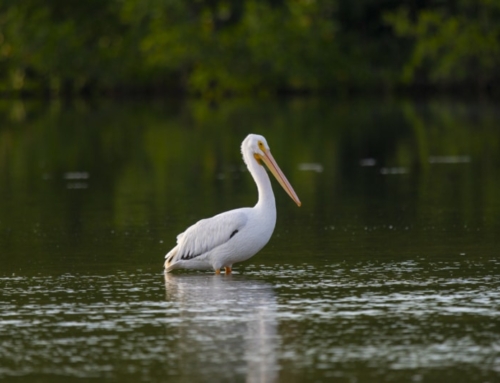
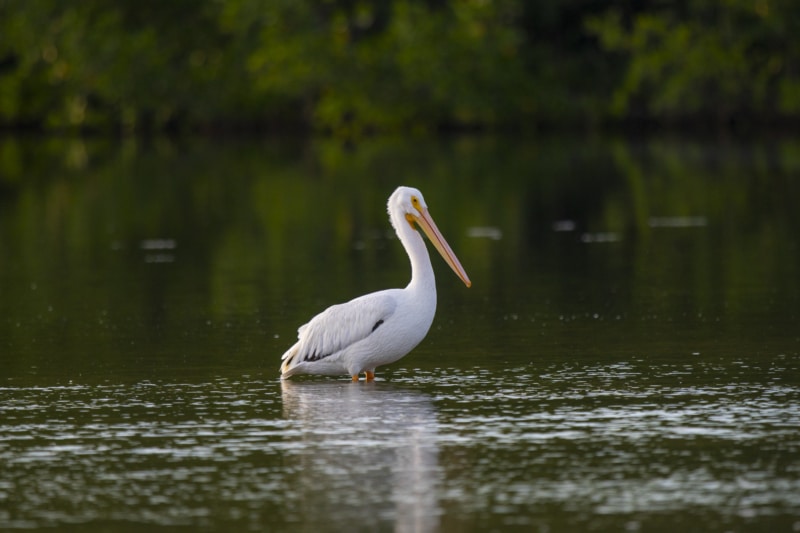
The Brown Pelican is a common sight on Sanibel Island. When you’re at one of the many amazing beaches they can be seen diving into the ocean feeding on fish. As common as they are today, at one point they were almost made extinct due to pesticide pollution. They plunge dive for dinner and to protect their necks they tuck their heads in and rotate their bodies to the left. After a dive, they drain water from their throats making for quite the dramatic descend and they glide when they fly showing off their vast wingspan. From October through March you can also spot the White Pelican.

The Anhinga is an incredibly common yet fascinating bird. They are spotted either slyly slithering through the water hunting fish or, standing by the water’s edge hanging themselves out to dry. Unlike most waterbirds, they do not have waterproof feathers and, also unlike other waterbirds, they are extremely adept fliers and are known to soar to great heights. Their name comes from the Tupi Indians in Brazil and means “devil bird”. They are also known as the “snake bird”.

For more information about bird watching on Sanibel Island, check out Sibley’s Waterbirds of Sanibel & Captiva. This neat, waterproof tri-fold brochure lists 44 species of birds both common and rare, get to know your feathered friends on the island!
Also, for a full list of Sanibel & Captiva birds, visit the SCCF (Sanibel Captiva Conservation Foundation).
Watch our podcast with expert birder Ken Burgener
Ken recommends the following resources:

Visit The J.N. “Ding” Darling National Wildlife Refuge
One of the best places to bird watch on Sanibel Island is the J.N. “Ding” Darling National Wildlife Refuge., It is over 6400 acres of preserved and undeveloped mangrove ecosystem land and is home to over 245 species of birds, mammals, amphibians, and endangered species. The wildlife refuge was created to protect endangered and threatened creatures. Additionally, it was created to sustain and develop the incredible natural habitat of Sanibel Island. The reserve is a vital support system for the wildlife and a unique element of Sanibel Island quite unlike any other. Check out Tarpon Bay Explorers for an exciting nature tour of the refuge on the water!