Preserving Sanibel & Captiva
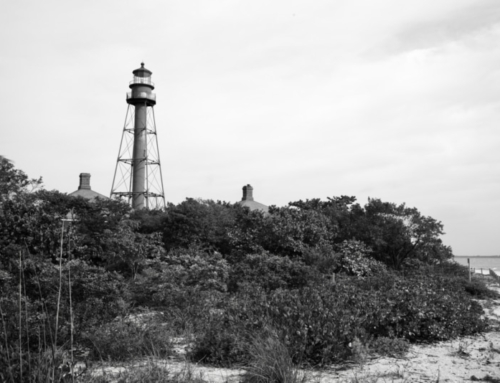
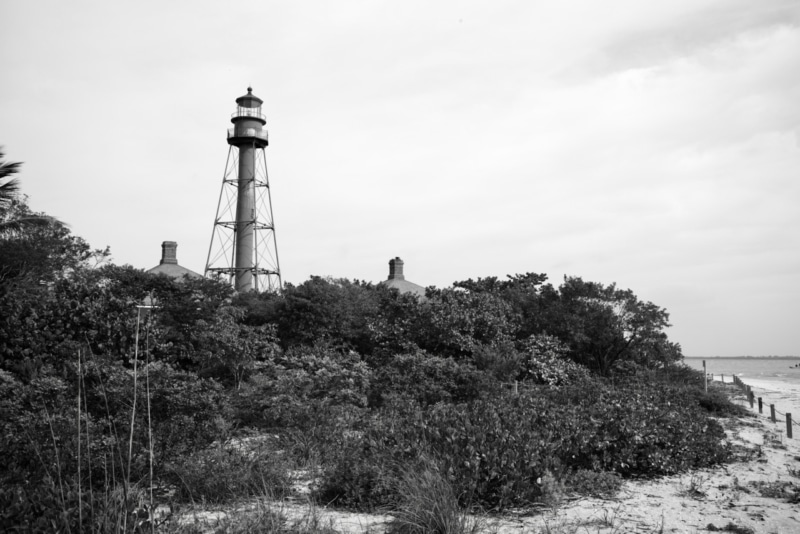
In the 1930s developers started to notice Sanibel and Captiva with intentions to build high-end resorts and accommodations. The land that the wildlife refuge is on was up for sale at 25 cents an acre by the state of Florida. Ding Darling mobilized the island residents to oppose the developers. The land was established as a state wildlife refuge. In 1945 Darling persuaded President Truman to purchase and protect more of the area establishing the Sanibel National Wildlife Refuge. By the 1960s the area became owned and protected by the federal government and the refuge was maintained by Tommy Wood and Sanibel author, Charles LeBuff. LeBuff lived in the Sanibel Lighthouse as a term of his employment and remained there for 22 years. Jay Norwood “Ding” Darling passed away in 1962. In 1967, 5 years after his death, the refuge was renamed the J.N. Ding Darling National Wildlife refuge. The refuge went on to expand developing trails and a visitors center. Currently, approximately 800,000 people visit each year.
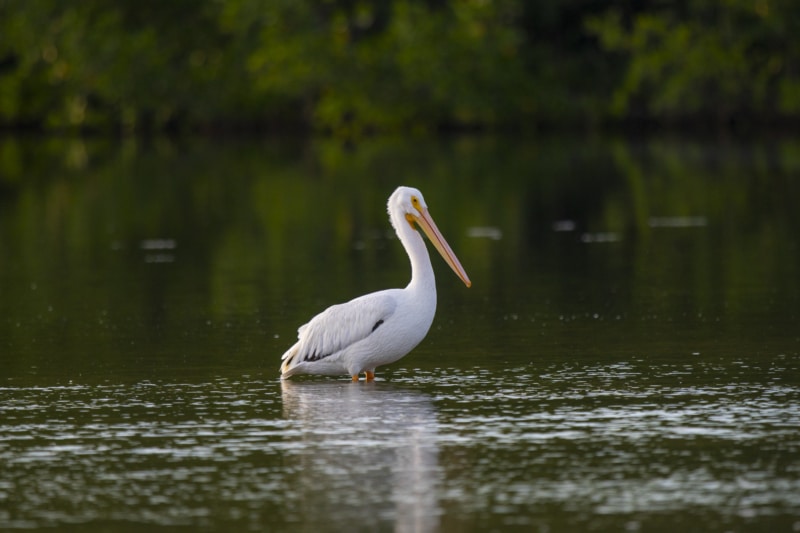
The J.N. “Ding” Darling National Wildlife Refuge is 6,400 Acres of preserved and undeveloped mangrove ecosystem land. It is home to over 245 species of birds, mammals, amphibians, and endangered species. The wildlife refuge was created to protect endangered and threatened creatures. Additionally, it was created to sustain and develop the incredible natural habitat of Sanibel Island. The reserve is a vital support system for the wildlife and a unique element of Sanibel Island quite unlike any other.


Cartoons & Political Satire
J.N “Ding” Darling loved nature and politics and this was very clear in his illustrations. He believed that humor served as a great tool to get his comments on society across. In his lifetime he drew over 16,000 cartoons, his work was also syndicated throughout the country making him a leading voice to a very wide audience. Interestingly he went to school for medicine but, was kicked out for satirizing his professors! He got a job as a reporter and in lieu of photography would sketch his subjects and America’s most popular cartoonist was born!
Ding Darling was also a musician who played the accordion and sang.

The Fish House
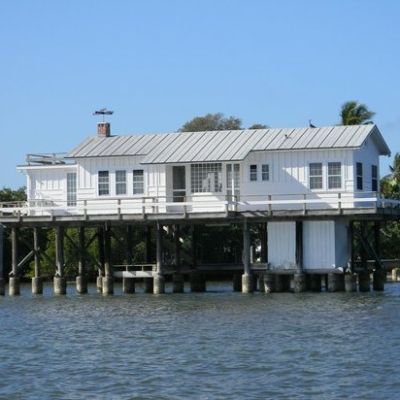
J.N. “Ding” Darling a Sanibel legend, started to suffer from bronchial issues as he entered his 60s. His place of residency was cold and so he took his family down south to Florida to embrace the tropical temperatures. He purchased land from Clarence Chadwick in the 1930s and in 1942 built the Fish House. The dock leading to the house had a draw bridge which he would routinely pull to concentrate on drawing. In 1978 artist Robert Rauschenberg purchased the property and, like Darling appreciated its solace. The Fish House is still used today by the Robert Rauschenberg Foundation which runs an artist residency on the property. They hold 8 five-week residencies a year and serve approximately 75 artists.
Directions To The J.N. “Ding” Darling National Wildlife Refuge
Address: 1 Wildlife Drive, Sanibel, FL 33957
There are many parts to the refuge throughout the Island but, the free visitor and education center at 1 Wildlife Drive is a great place to start your exploration. Next to the center is the Wildlife Drive, Hiking Trails, and Tram tour. The Center is located approximately 2 miles West of Tarpon Bay Road on Sanibel Captiva Rd.